Houses Vandalised in Geku Amid Growing Opposition to Siang Upper Multipurpose Project
Thousands reportedly gathered in Geku village and vandalised properties belonging to families that had signed an MoU supporting the pre-feasibility study of the proposed Siang Upper Multipurpose Project.
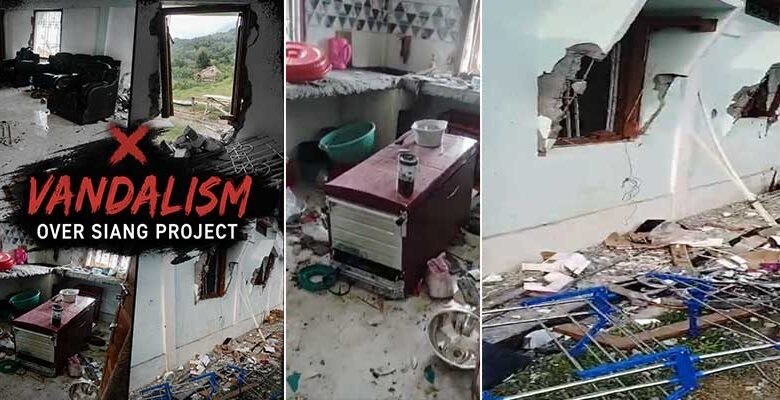
GEKU, Arunachal Pradesh: Tensions surrounding the proposed Siang Upper Multipurpose Project (SUMP) escalated dramatically on June 8, as a large crowd allegedly vandalised the residence of Geku-Mariyang MLA Oni Panyang and several other houses in Geku village of Upper Siang district.
According to local reports and eyewitness accounts, nearly 2,000 people gathered in the village and targeted properties belonging to individuals and families who had recently signed a Memorandum of Understanding (MoU) supporting the pre-feasibility report (PFR) of the proposed hydropower project.

Among the affected properties was the residence of MLA Oni Panyang, which reportedly suffered extensive damage. Visuals circulating locally showed broken furniture, damaged household items, overturned containers and structural destruction within the premises. Reports suggest that between 13 and 19 houses were vandalised during the incident, though official figures have yet to be confirmed.
Also Read- Why Is Gen Z Angry? A Video Explores the Anxiety Behind India’s Young Generation
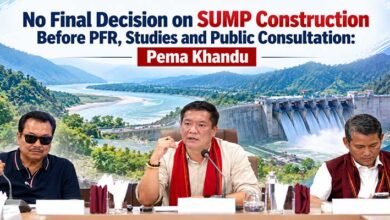
The unrest follows the signing of an MoU by approximately 110 households from Geku village on or around June 7. The agreement was reportedly signed in the presence of Arunachal Pradesh Chief Minister Pema Khandu and Deputy Chief Minister Chowna Mein and was linked to the pre-feasibility assessment of the Siang Upper Multipurpose Project.
Protesters opposed to the project viewed the signing of the MoU as contrary to long-standing community resistance against the proposed dam and associated infrastructure.
The Siang Upper Multipurpose Project is a proposed hydropower and water management project on the Siang River, the Indian stretch of the Yarlung Tsangpo-Brahmaputra system. Depending on the final design, the project is expected to generate between 11,000 MW and 12,500 MW of electricity and has been projected as a strategic, energy and flood-control initiative.
Also Read- Robin Hibu Appointed Professor of Practice at Saint Claret College, Ziro
However, the proposal has faced sustained opposition from sections of the Adi community and local organisations, who argue that the project could result in large-scale displacement, loss of ancestral land, disruption of traditional livelihoods and irreversible ecological impacts in a region known for its biodiversity and seismic sensitivity.
Groups such as the Siang Indigenous Farmers Forum (SIFF) have organised rallies, public meetings and awareness campaigns opposing the project. Several villages in the region have previously declared what they describe as “100 per cent non-consent” to the dam proposal, maintaining that the process of obtaining community approval has not been sufficiently transparent or inclusive.
Also Read- Darak Tourism Foundation Pushes Revival of Traditional Pottery Craft in Arunachal
The incident has also renewed attention on remarks reportedly made by MLA Oni Panyang during the 2024 Assembly election campaign, when he stated that voters could vandalise his house if he ever supported the Siang dam project. The statement has since resurfaced in public discussions following the events in Geku.
As of June 9, the situation in the area remained tense. No official confirmation regarding arrests, injuries or criminal cases had been widely released at the time of filing this report. District authorities and law enforcement agencies are expected to assess the damage and investigate the circumstances surrounding the vandalism.
The developments underscore the deep divisions that continue to surround the Siang Upper Multipurpose Project. While supporters point to potential benefits in energy generation, infrastructure development and strategic interests, opponents continue to raise concerns over indigenous rights, environmental sustainability and the long-term social impact of the project.
With both the state government and local communities facing increasing pressure to address these concerns, the future of the project is likely to remain a major point of debate in Arunachal Pradesh.