Arunachal: Scientists Decode Genome of Siangmi Mithun
Scientists identify nearly five million genetic markers, providing the first genome-based foundation for conservation and selective breeding of the Siang region’s distinct mithun population.
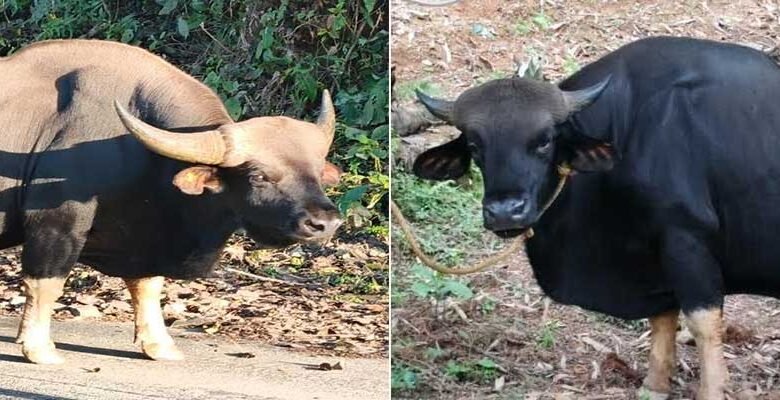
GUWAHATI, July 4: Scientists have completed the first whole-genome study of the semi-domesticated mithun population of Arunachal Pradesh’s Siang region, creating a scientific foundation for the conservation and genetic improvement of one of Northeast India’s most culturally significant animals.
Researchers from the ICAR-National Research Centre on Mithun sequenced the complete genomes of 11 mithuns and identified nearly five million high-quality genetic markers. The findings, published in the International Journal of Molecular Sciences, represent the most detailed genomic profile yet developed for the animals studied from the Siang belt.

The sampled mithuns were drawn from five villages across East Siang and Lepa Rada districts. The study therefore provides a close genetic portrait of the mithun population of the Siang region rather than representing mithuns across Arunachal Pradesh as a whole.
Also Read- Oken Tayeng Leads Plantation Drive in Mebo
Scientists are now working towards a more comprehensive characterisation of this distinct regional population, provisionally referred to as the “Siangmi mithun.” Its population is estimated at around 15,000 to 20,000.
The genetic signature of the population reflects centuries of geographic isolation and traditional village-based rearing by communities of the Siang region. Researchers believe this long history has helped shape a distinctive gene pool that warrants further scientific characterisation and conservation.
Breed registration of the Siangmi mithun population is pending. The research team had earlier characterised and registered Nagami, described as the world’s first registered mithun breed, with the ICAR-National Bureau of Animal Genetic Resources in Karnal.
Also Read- Tawang Police Nab Absconder in ₹90 Lakh Fraud Case
Moderate Genetic Diversity, No Recent Inbreeding
One of the most significant findings of the study is that the Siang mithun retains moderate genetic diversity and shows no evidence of recent inbreeding.
The genomic patterns indicate signs of ancient inbreeding at moderate levels. Scientists say these patterns are largely the result of long-term geographic and reproductive isolation rather than recent breeding pressure.
Also Read- Tai Tagak Visits Flood-Hit Areas, Announces Relief
For generations, mithuns have been reared in relatively isolated village herds under traditional free-ranging systems. This has allowed the Siang population to evolve separately from mithun populations elsewhere in Northeast India.
The absence of recent inbreeding is considered an encouraging finding because it suggests that the population’s genetic health can still be strengthened through timely and scientifically planned interventions.
A Distinct Gene Pool Shaped by the Siang Basin
The study indicates that the mithun population of the Siang basin is more than simply a local variety.
Its genetic structure has been shaped by a specific combination of geography, ecology and traditional husbandry practices. Confined largely to the Siang river basin and managed under community-based free-ranging systems, the population reflects a distinct evolutionary and breeding history.
Researchers say this long-standing genetic distinctiveness strengthens the case for scientifically characterising and conserving the Siangmi mithun as a population in its own right.
Such recognition could help Arunachal Pradesh safeguard a genetically valuable livestock lineage while also supporting more focused breeding and conservation strategies.
Genome Reveals Deep Population History
Using whole-genome data, the researchers also reconstructed the deep demographic history of the Siang mithun, tracing changes in its effective breeding population over thousands of generations.
Scientists have clarified that the “effective population size” used in genomic studies is a technical measure of the breeding gene pool. It does not represent the actual number of animals currently living in the region.
Instead, the measure helps researchers understand long-term genetic trends and historical changes in the population.
This distinction is important because genomic estimates of effective population size should not be confused with the present-day mithun population, which is considerably larger.
Science-Guided Breeding Could Strengthen Population
The researchers view the study not only as a conservation exercise but also as a roadmap for strengthening the population.
Possible interventions include the planned exchange of breeding bulls between villages, genome-informed breeding programmes and systematic pedigree recording.
Such measures could help maintain genetic diversity, reduce future inbreeding risks and improve the long-term resilience of the population.
Scientists believe that centuries of isolation, while responsible for shaping the Siang mithun’s distinct genetic identity, can now be managed as an opportunity for carefully planned genetic enrichment.
A science-based breeding strategy could allow villages to retain the cultural and ecological character of traditional mithun rearing while improving the genetic health of future generations.
Arunachal at the Centre of Mithun Conservation
India is home to around 3.84 lakh mithuns, with approximately 70 per cent of them found in Arunachal Pradesh. This places the state at the centre of efforts to conserve and sustainably manage the globally unique bovine.
The mithun has deep cultural, social and economic importance among indigenous communities of the state. It is regarded as a symbol of wealth, prestige and tradition and plays a significant role in ceremonies and marriage customs.
The animal also contributes to livelihoods and nutrition in mithun-rearing communities.
The new genomic study provides, for the first time, a scientific foundation specifically focused on the genetic structure of the mithun population studied in the Siang region.
Further research, broader sampling and formal characterisation will be required before the Siangmi mithun can be fully established as a recognised breed or distinct population.
However, the findings provide conservationists and livestock scientists with a detailed genetic baseline for future planning.
By combining traditional community-based rearing practices with modern genomic science, researchers believe the Siang region can protect the distinctive genetic heritage of its mithun population while strengthening its diversity and resilience for future generations.