Internet Opens New Markets for Arunachal’s Organic Farmers
From Hills to Homes Across India, Arunachal’s Youth Are Using the Internet to Sell Organic Produce online.
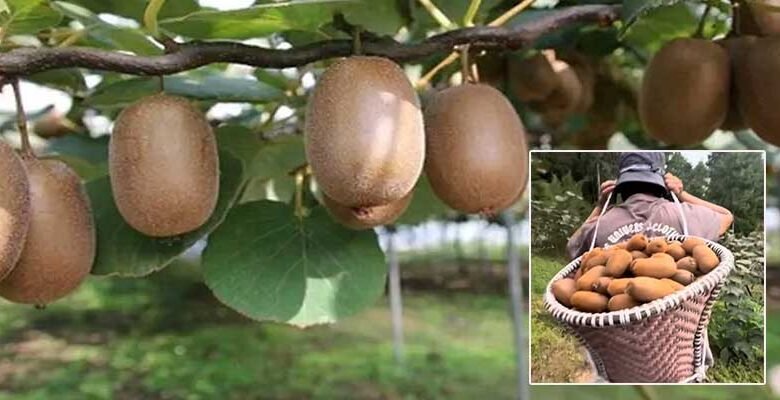
Internet Opens New Markets for Arunachal’s Organic Farmers- When the morning fog lifts over the terraced farms of Ziro valley, young farmers scroll through Instagram DMs before heading to the fields. Orders for kiwi boxes, herbal tea packets, honey jars and freshly plucked oranges await dispatch — not to local markets, but to customers thousands of kilometres away.
This is the new face of rural Arunachal Pradesh. Tribal entrepreneurs armed with smartphones, not middlemen; hashtags instead of wholesale agents.

For decades, agricultural abundance in Arunachal rarely crossed state borders. Transportation bottlenecks, limited market access, and lack of intermediaries kept most farmers confined to local sales. But the arrival of 4G connectivity in remote belts, followed by the pandemic-led digital push, triggered an unexpected entrepreneurial wave.
Also Read- H-Spring Foundation Marks IDPD in Pasighat
Small Instagram shops with names like “Ziro Organic Kiwi”, “Wakro Orange Collective”, “Monpa Tea Craft” and “Dambi Honey Farm” now post reels of orchards drenched in morning dew, videos of mandarins being handpicked, or pictures of branded eco-friendly packages ready for dispatch.
A reel that gets 10,000 views can generate 50 new orders overnight.
Take Tanya Apatani, 23, who left a city job to return to her village. She started by posting kiwi harvest photos online — today, she ships to Delhi and Pune every season.
“ pahle hamen jo price local market me milta thaa bas wahi income hota tha. ab online order aate hain aur ham seedhe customer se baat kartey hain. mehnat bhi hamara, profit bhi hamara.” she says, packaging fresh kiwi with handwritten ‘Thank You’ notes.
Also Read- CS Reviews Key Projects in Dibang Valley
In Wakro, a group of local youths formed a citrus collective. They manage WhatsApp orders, coordinate pickups and negotiate delivery charges with transport operators — all from their phones.
Meanwhile in Tawang, Monpa women have revived herbal tea and yak cheese making, branding products with traditional motifs. Their short videos showcasing butter churning and tea drying under the mountain sun have turned into marketing assets.
This digital leap is inspiring, but not easy. Network disruptions during peak seasons, slow courier chains in mountainous regions, a lack of cold storage for perishables, and the need for branding and packaging training are all obstacles.
Yet, resilience defines the movement. Young farmers often trek kilometres to reach a stable signal zone just to confirm dispatch details with buyers.
Agriculture experts believe Arunachal could become a powerhouse of organic and chemical-free products, especially as urban India increasingly seeks sustainable food sources.
Government support through FPOs, SHGs, start-up mentorship and logistics subsidies could amplify this rise further. Some pilots for cold-chain transport and e-commerce tie-ups are already underway.
“This is more than commerce,” says a local development officer. “It is about dignity, opportunity and global identity for tribal youth.”