Assam: Tai Royal Families Reunite in Sivasagar
Deputy CM Chowna Mein attends the reunion of Tai Royal Families from Myanmar and Assam in Sivasagar, highlighting shared ancestry, cultural bonds, and linguistic preservation.

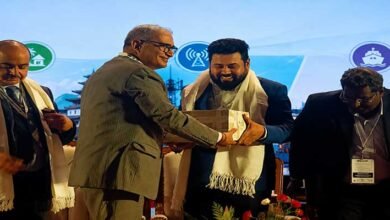
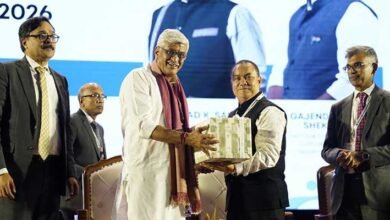
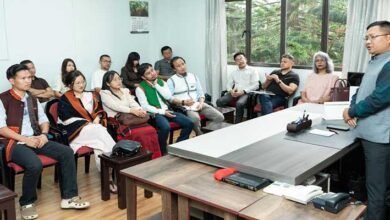
SIVASAGAR- Arunachal Pradesh Deputy Chief Minister Chowna Mein on Friday attended a historic reunion of Tai Royal Families from Myanmar and Assam at Yuva Dol in Sivasagar. The event, organised by the Society for Tai Ahom Resurgence (STAR), brought together descendants of Chaolung Sukapha—the founder of the Ahom dynasty—and their Tai relatives across borders.
Addressing the gathering, Mein described the reunion as “a celebration of shared heritage, language, and cultural bonds that transcend geographical boundaries.” He highlighted the deep historical and ethnic links between the Tai Ahom communities of Assam and the Tai groups of Myanmar, tracing their ancestry to Sukapha, who established the Ahom Kingdom in 1228 AD. That dynasty shaped Assam’s political, administrative, and cultural landscape for nearly six centuries.


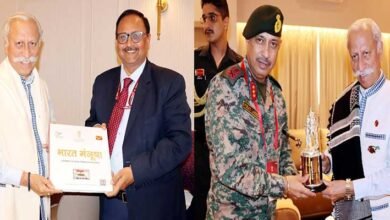
Mein commended STAR and its chairman Dr. Hemanta Kumar Gogoi for organising the event and extending hospitality to visiting dignitaries from Myanmar. He also recalled his association with Myanmar-based Shan history researcher Sai San Aik, noting that his own travels to Putao and the Shan region helped strengthen people-to-people ties between Tai communities.
During his address, the Deputy CM delved into the migration routes of Tai people through the Pangsau Pass and Patkai ranges. He explained the linguistic and cultural origins of place names such as Pangsau (“large field”), Patkai (“ritual of destiny”), Nam Tok, Nam Pong, and Nam Chik—all markers of Tai heritage closely tied to rivers, landscape, and agricultural traditions.

Mein drew attention to the largely forgotten story of Ranuah Gohain, a Tai royal leader who led an armed resistance against British forces in 1839—preceding the 1857 revolt. He reiterated his commitment to documenting this early freedom struggle through archival research and historical recognition.
Calling for renewed efforts to preserve the Tai language, Mein described it as a “living link to our collective past and a treasure of history, literature, and tradition.” He encouraged cross-border collaboration among Tai communities for linguistic revival, cultural research, and youth engagement.
He added that the reunion marked a “journey of rediscovery,” expressing optimism that such initiatives would foster deeper cultural and historical partnerships between Assam and Myanmar.
Mein concluded by thanking the organisers, dignitaries, and the people of Sivasagar for their hospitality and commitment to celebrating Tai identity and heritage.