Arunachal: Water Crisis Concerns Rise in Deomali and Longding
Declining groundwater levels and drying wells in Tirap and Longding districts raise concerns over water sustainability, as experts advocate conservation and revival of traditional ecological practices.
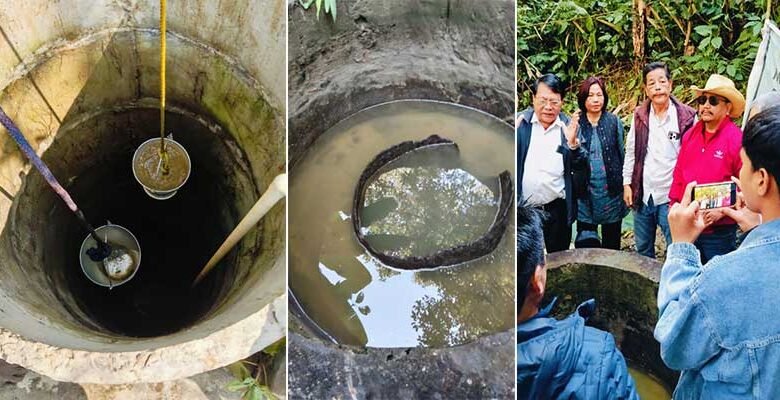
DEOMALI/ LONGDING- ( By Denhang Bosai ) – Growing concerns over water scarcity have emerged in parts of Tirap and Longding districts, with several wells in and around Deomali reportedly drying up after nearly six to seven months of inadequate rainfall. Observers say the situation reflects declining groundwater levels and highlights the urgent need for sustainable water management practices.
Local stakeholders have urged residents to use water rationally, warning that diminishing wells are a clear indicator of environmental stress. Experts note that global scientific warnings about future water crises underscore the importance of rainwater harvesting, afforestation and responsible resource use. Rainwater harvesting, already practised widely in parts of South India, has been suggested as a potential solution for water-stressed areas in Arunachal Pradesh.

Also Read- Rituals, Dance and Unity Mark Tamla Du Festival
Longding headquarters and several surrounding regions, including Khonsa and nearby villages, continue to face recurring water shortages, particularly during winter months. Environmental observers have also raised concerns about extensive jhum cultivation in water catchment areas, which they say can accelerate soil erosion and reduce water retention. Calls have been made for afforestation drives to protect natural water sources and restore ecological balance.
During a recent visit to the historic Moran Saltwell near Wasathong village, accompanied by Minister Wangki Lowang and Padma Shri awardee Prof. J.N. Phukan along with a team of scholars, discussions also focused on traditional water and salt practices of the Nocte community. Historical accounts suggest that during the NEFA era, Nocte villages produced naturally iodised black salt from saltwells, which was traded with neighbouring communities through barter systems.
Also Read- Namsai Gets New Ayushman Arogya Mandir Facility
Researchers note that nearly 80 saltwells once existed across Nocte-inhabited areas, with villages like Borduria gaining prominence due to their control over these resources. Salt production declined after commercially available salt became widely accessible, but experts believe the revival of traditional salt-making using modern technology could provide both cultural and economic value.
Environmental advocates emphasise that water conservation must remain a priority for all stakeholders. With climate variability and changing land-use patterns affecting water availability, integrated efforts involving community participation, ecological restoration and sustainable resource management are seen as essential to addressing the emerging crisis.
writer is Dy Director, IPR (Rtd), Arunachal Pradesh