Arunachal: Chowna Mein Inaugurates International Seminar at RIWATCH
A three-day international seminar at RIWATCH, Roing, focuses on interpreting cultures and traditions through indigenous perspectives and decolonised knowledge systems.
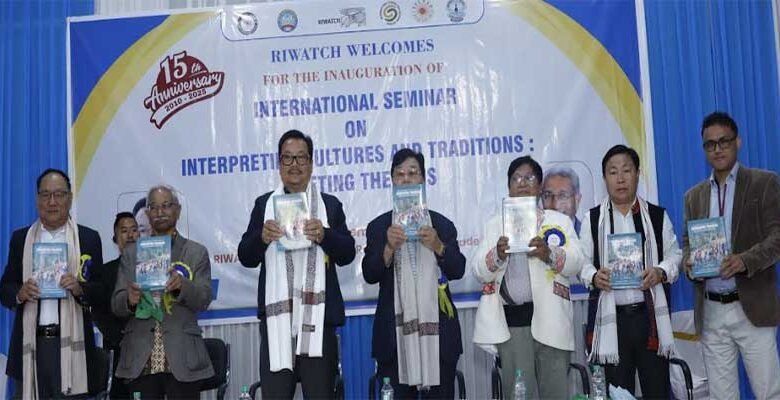
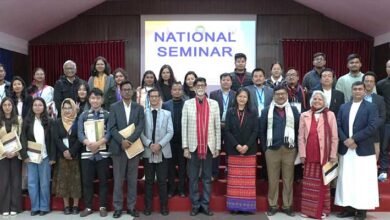
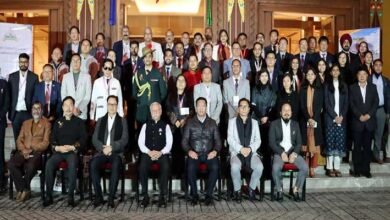
ROING- A three-day international seminar titled “Interpreting Cultures and Traditions: Shifting the Lens” commenced on Thursday at the Research Institute of World’s Ancient Traditions, Cultures and Heritage (RIWATCH), Khinjili, Roing. The seminar, being held from December 19 to 21, brings together academicians, scholars and cultural practitioners from India and abroad to deliberate on indigenous perspectives and the preservation of ancient traditions.
The seminar is being organised by RIWATCH in collaboration with several academic and cultural institutions, including the Maulana Abul Kalam Azad Institute of Asian Studies (MAKAIAS), Kolkata; Rajiv Gandhi University, Doimukh; the International Centre for Cultural Studies (ICCS), Bharat; Arunachal Pradesh University, Pasighat; and the Indigenous Faith and Cultural Society of Arunachal Pradesh (IFCSAP).

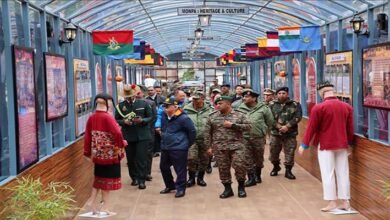
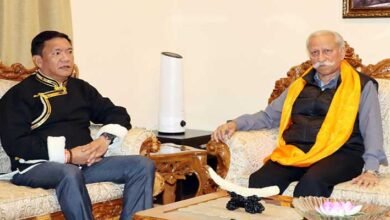
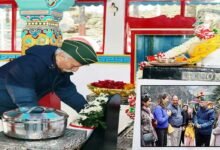
The event was inaugurated by Arunachal Pradesh Deputy Chief Minister Dr. Chowna Mein as chief guest, with Vice Chancellor of Arunachal Pradesh University, Pasighat, Prof. Tomo Riba, attending as guest of honour. Prior to the inaugural session, the deputy chief minister formally inaugurated the RIWATCH Guest House.
Also Read- Prashashan Gaon Ki Ore Campaign Launched in Ziro
In his inaugural address, Dr. Mein emphasised that while cultural festivals may adapt to modern influences, they must remain rooted in indigenous customs and traditions. He stressed the urgent need for documentation and digitalisation of ancient manuscripts and said institutions like RIWATCH have a vital role to play in preserving the cultural heritage of Arunachal Pradesh.
He further underlined the importance of writing a comprehensive cultural history of the state and making it accessible to wider audiences, calling for the creation of positive and authentic narratives around indigenous cultures.
Welcoming the dignitaries and participants, RIWATCH Executive Director and seminar convenor Vijay Swami said the objective of the seminar was to interpret cultures and traditions from native perspectives, marking a shift away from externally imposed frameworks of cultural understanding.
Also Read- Arunachal Couple Killed in Possa–Potin Road Accident
Delivering the keynote address, Prof. Yashwant Pathak, Dean of Faculty Affairs at the University of South Florida, provided a historical account of how colonial systems dismantled indigenous cultures worldwide. Drawing parallels with the experiences of Native American communities, he argued that colonial narratives and Eurocentric ideologies led to the erosion of ancient traditions. Prof. Pathak called for a fundamental shift in perspective that empowers indigenous communities to preserve and rebuild their cultural knowledge systems on their own terms.
Prof. Tomo Riba, in his address as guest of honour, expressed concern over the rapid disappearance of indigenous knowledge systems. He identified rural depopulation and the increasing reliance on modern materials and technologies as major contributors to the decline of traditional practices related to agriculture and housing. He stressed the need to preserve indigenous terminologies and cautioned against the commercialisation of traditional festivals, stating that cultural celebrations should strengthen identity rather than become exclusionary or commodified.
Also Read- 5th Sushasan Saptah Launched in Tawang
RIWATCH Patron Mukut Mithi described the seminar as timely and necessary in the face of growing threats to indigenous cultures. He emphasised that the study of culture requires empathy alongside academic rigour and argued that the true measure of a culture lies not in technological advancement but in its wisdom and depth of traditional knowledge.
In his concluding remarks, Dr. Mein reiterated that despite five decades since the state came to be known as Arunachal Pradesh, a comprehensive cultural and political history is yet to be developed. He also drew attention to the declining population of animal and bird species in the state, warning that the loss of biodiversity would have long-term cultural consequences if not addressed urgently.
The seminar will continue until December 21, featuring five plenary sessions and the presentation of 44 research papers by scholars from India and abroad. Organisers said the diverse participation is expected to generate meaningful dialogue and insights on the challenges and future of indigenous cultural preservation.