Arunachal: ICAR-CPCRI trains Namsai farmers on arecanut farming
The ICAR-CPCRI, Kasargod, in collaboration with KVK Momong, organized a training to enhance farmers’ technical skills in sustainable arecanut cultivation.
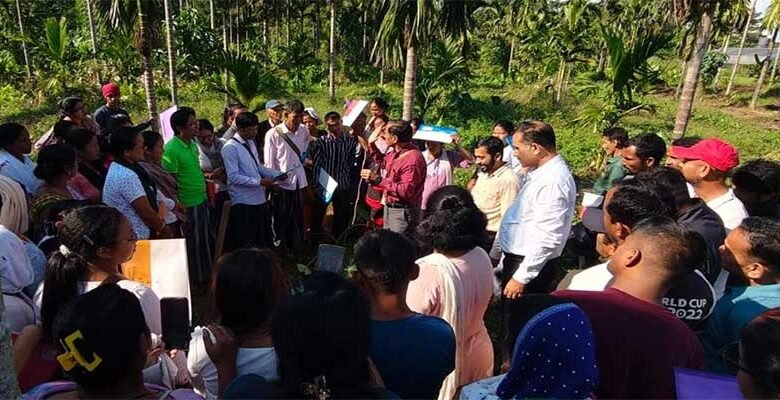
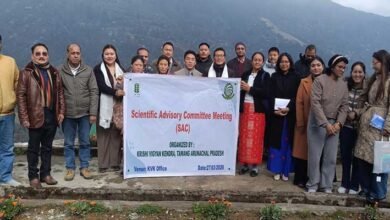
NAMSAI- A training programme on “Agrotechniques for Sustainable Cultivation of Arecanut” was successfully conducted at the Krishi Vigyan Kendra (KVK), Momong, Namsai, in collaboration with the ICAR–Central Plantation Crop Research Institute (CPCRI), Kasargod, Kerala.
The initiative aimed to strengthen the technical capacity of farmers in Arunachal Pradesh by introducing improved scientific methods for arecanut cultivation — a crop increasingly seen as a viable livelihood source in the region.

The training featured resource persons Dr. Ravi Bhat, Dr. Anes K.M., and Dr. Indhuja S. from ICAR–CPCRI, and was attended by over 90 farmers from across Namsai district. Officials from the Agriculture Technology Management Agency (ATMA), office bearers of Farmer Producer Organizations (FPOs), and KVK staff were also present.
Also Read- ICAR Trains Farmers on Arecanut, Coconut in LS
In his welcome address, Dr. Utpal Barua, Head of KVK and Senior Scientist, outlined the district’s arecanut production landscape and discussed key challenges faced by farmers. He underscored the importance of integrating research-based practices to enhance productivity and profitability while maintaining ecological balance.
During the technical sessions, Dr. Ravi Bhat delivered a detailed presentation on scientific production technologies for arecanut. He covered nursery management, varietal selection, intercultural operations, and integrated pest and disease management.
Also Read- Commissioner (Finance) Reviews Banking Progress in Changlang
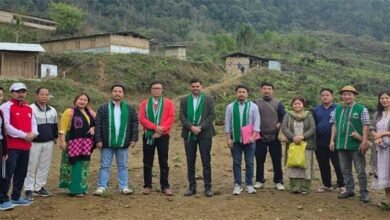
A hands-on demonstration session was conducted in the KVK arecanut plantation, coordinated by Dr. Anes and Dr. Indhuja, where participants practiced pit preparation, planting techniques, and pest and disease identification. The session also explored intercropping of cocoa in arecanut plantations as a strategy to increase income diversity and sustainability.
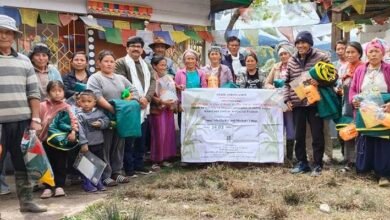
To support adoption of the discussed techniques, 300 arecanut saplings and 30 kilograms of Trichoderma were distributed among the participating farmers.
The event reflected ICAR’s broader commitment to promoting climate-resilient and sustainable plantation crop systems in the northeastern region. Participants expressed appreciation for the interactive and practical approach of the training, which they felt would contribute significantly to improving local arecanut farming practices.