Arunachal University Agriculture Students Learn Climate Resilient Technologies at KVK Namsai
The programme was aimed at sensitising young agri-professionals about the challenges of climate change in agriculture...........

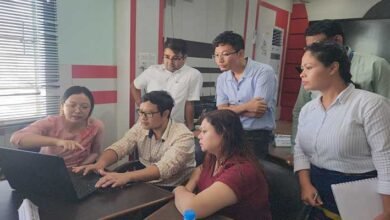
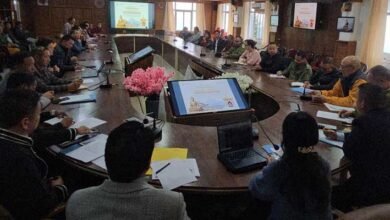
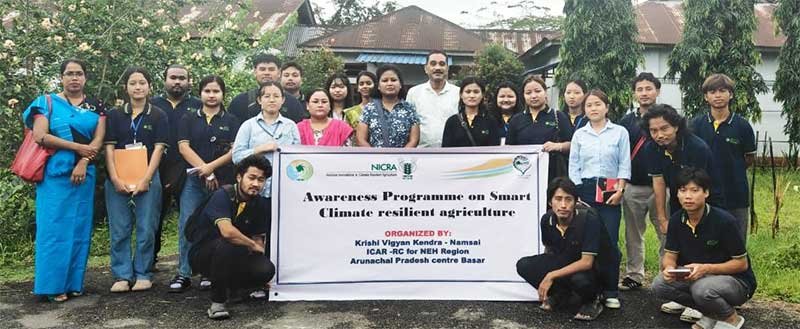
NAMSAI- A group of students and members of the Agriculture Faculty, Arunachal University of Studies, Namsai, visited the ICAR–Krishi Vigyan Kendra (KVK) Namsai, Momong to gain practical exposure to climate resilient agriculture technologies.
The programme was aimed at sensitising young agri-professionals about the challenges of climate change in agriculture and equipping them with knowledge of sustainable practices being demonstrated at the KVK’s model farm.

Utpal Barua, Senior Scientist & Head, KVK Namsai, briefed students on the adverse impacts of climate change being experienced by farmers and explained ICAR’s initiatives to build resilience.
Madhusmita S. Bora (SMS, Plant Protection) highlighted technologies under trial in Namsai district, including, Submergence-tolerant rice variety Ranjit Sub-1, Short-duration rice variety Disang, Drought-tolerant toria variety TS-38, Integrated farming systems (crop + livestock + fishery + duckery) and Natural resource management practices such as mushroom cultivation, vermicomposting, and beekeeping.
Also Read- Former CM Gegong Apang Opposes Siang Upper Multipurpose Project
Shravani Sahani (SMS, Agricultural Extension) demonstrated the Leaf Color Chart (LCC) for efficient nitrogen management in crops, a tool that helps reduce greenhouse gas emissions. She also encouraged students to explore skill development opportunities such as mushroom spawn production, planting material development, food processing, and apiculture.
The visit coincided with “Parthenium Awareness Week” (16–22 August). Students were briefed about management of Parthenium weed in homes and crop fields. They also participated in “Ek Ped Maa Ke Naam” campaign by planting saplings in the KVK campus as a step towards climate action.
Also Read- SIFF Challenges Household Consents for 11,000 MW Mega Dam Project
The programme concluded with an interactive session where students’ queries on scientific practices, crop varieties, and integrated farming systems were addressed by experts. The exposure helped them understand the practical application of climate-resilient technologies and their role in future sustainable farming.