Student Groups Protest Against CEC Gyanesh Kumar in Delhi; Over 500 Detained
Opposition parties and student organisations alleged irregularities in the Special Intensive Revision of electoral rolls and demanded accountability from the Election Commission; Delhi Police said permission for the gathering had not been granted.
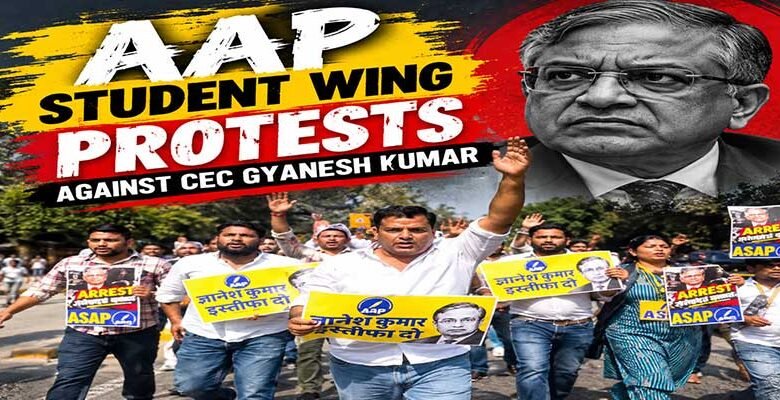
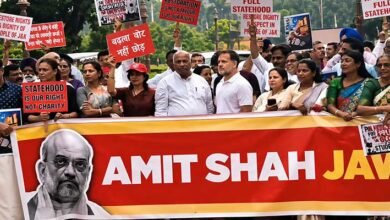
NEW DELHI- A protest involving the Aam Aadmi Party (AAP), student organisations and other opposition groups took place in New Delhi on Friday over the functioning of the Election Commission and the Special Intensive Revision (SIR) of electoral rolls, with demonstrators demanding the resignation of Chief Election Commissioner Gyanesh Kumar.
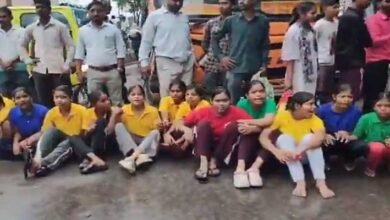
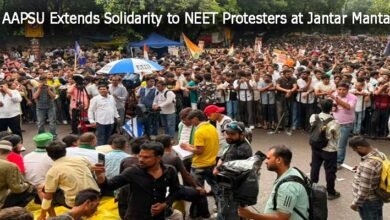
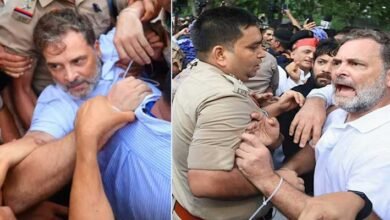
The mobilisation centred around Jantar Mantar, where Delhi Police had denied permission for the proposed demonstration and imposed restrictions in the New Delhi district. More than 500 protesters were detained from Jantar Mantar and nearby areas, according to reports citing police officials. Those detained included AAP leaders and student activists.

Among those detained were former Delhi Chief Minister Atishi, AAP Delhi chief Saurabh Bharadwaj, AAP MLA Sanjeev Jha, AISA president Neha Bora and activist Yogendra Yadav, according to reports.
Also Read- Vehicles Set Ablaze, MLA Alo Libang’s Residence Gheraoed Amid SUMP Protest
Protest over SIR and electoral rolls
The protesters raised concerns over the Election Commission’s handling of the Special Intensive Revision (SIR) of electoral rolls. Opposition and student groups have alleged that the exercise could result in legitimate voters being excluded from electoral rolls and have called for greater transparency in the revision process.
The allegations are being made by the protesting organisations and should be distinguished from established findings. The protests have nevertheless brought renewed political and public attention to the Election Commission’s handling of electoral-roll revision.
The demonstrators also demanded the resignation of CEC Gyanesh Kumar, linking their demand to their concerns over the SIR process and the functioning of the poll panel.
Also Read- ‘No PFR, No Survey’: Protests Intensify Over Proposed Siang Mega Project
Delhi Police impose restrictions
Ahead of the planned mobilisation, Delhi Police imposed prohibitory restrictions under Section 163 of the Bharatiya Nagarik Suraksha Sanhita (BNSS) across the New Delhi district.
Police said the restrictions were imposed to prevent unauthorised gatherings and maintain public order and traffic movement. The authorities also deployed additional security personnel and barricades around Jantar Mantar and adjoining areas.
Delhi Police said permission had not been granted for the proposed demonstration and appealed to people to comply with the restrictions.
Also Read- SUMP Project | PFR First, No Rush to Proceed Beyond Feasibility: CM Pema Khandu
Metro and traffic restrictions
The security arrangements also affected public transport in central Delhi. Entry and exit facilities at several Delhi Metro stations were temporarily restricted as authorities sought to control movement around the protest zone.
Reports said stations including Rajiv Chowk, Central Secretariat, Mandi House and others were affected by the security measures, while interchange facilities continued at selected stations.
Student organisations join mobilisation
Several student and youth organisations participated in or announced mobilisation around the issue, including AISA, SFI and other groups.
Police officials said groups of protesters attempting to reach Jantar Mantar from different locations were stopped and detained. One police official cited by IANS said a large group of SFI members was stopped near the Ashoka Road area.
The demonstrations also involved political leaders and workers from opposition parties.
AAP leaders, meanwhile, said they were exercising their right to protest and questioned the denial of permission for a demonstration at Jantar Mantar, a designated protest location. These are statements from the protesting side and represent their position on the restrictions.
Wider debate over electoral-roll revision
The Delhi protest comes amid a broader political and civil-society debate over the SIR exercise and electoral-roll management.
Opposition parties and several civil-society and student groups have raised questions about voter deletions and the transparency of the process. The Election Commission has maintained that electoral-roll revision is intended to ensure the accuracy of voter lists and address issues such as duplicate or ineligible entries.
The competing positions have made the SIR process a significant point of political debate, particularly as questions about voter inclusion, verification and electoral transparency continue to be raised.
Protest and public-order balance
Friday’s developments also highlighted the tension between the right to peaceful political demonstration and the authorities’ responsibility to regulate public gatherings and maintain public order.
While protesters argued that they should be allowed to demonstrate and raise concerns over the electoral process, Delhi Police maintained that the gathering had not received the required permission and imposed restrictions before detaining participants.
The incident has therefore placed both the SIR process and the management of political demonstrations in focus, with further debate likely around electoral-roll transparency, institutional accountability and the regulation of protests.