‘No PFR, No Survey’: Protests Intensify Over Proposed Siang Mega Project
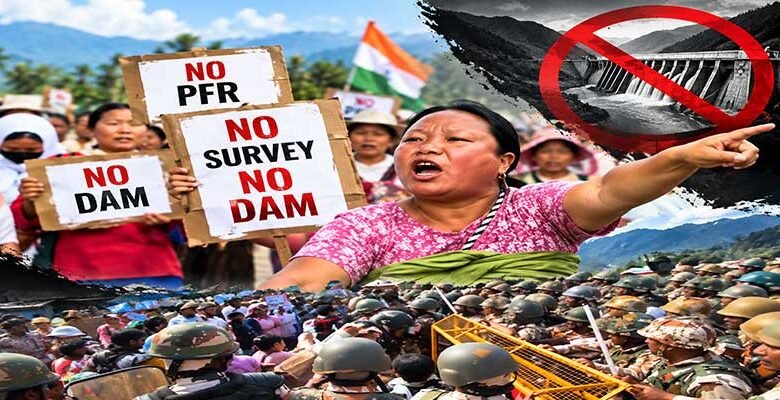
Protests in Upper Siang have intensified over the proposed 11,000-MW Siang Upper Multipurpose Project, with sections of local communities demanding an end to PFR activities and opposing the deployment of security forces.
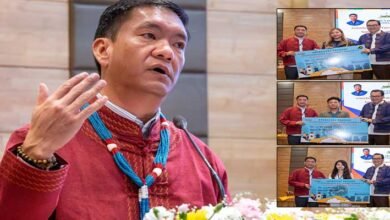
YINGKIONG— Tensions over the proposed Siang Upper Multipurpose Project (SUMP) intensified in Upper Siang district as Chief Minister Pema Khandu visited Yingkiong on Wednesday, with sections of local communities staging protests against the proposed project and the ongoing preparations for its Pre-Feasibility Report (PFR).
The protests are part of a continuing mobilisation in the Siang Valley against the proposed project, estimated at around 11,000 MW. Protesters have been demanding that the government stop PFR-related activities and withdraw security personnel deployed in areas associated with the proposed survey.

According to reports from the region, protesters used slogans and placards including “No PFR, No Survey” and demonstrated during the Chief Minister’s visit. Reports also indicate that road blockades and confrontations have occurred in different parts of Upper Siang in recent days as villagers sought to prevent movement connected with the proposed survey.
Also Read- SUMP Project | PFR First, No Rush to Proceed Beyond Feasibility: CM Pema Khandu
The latest protests follow a tense incident in Geku on September 28, where villagers protesting the project and the presence of Central Armed Police Forces reportedly clashed with security personnel. Government vehicles were reportedly damaged during the confrontation. Four people were detained in connection with the incident and were subsequently released following an inquiry, according to reports citing the Upper Siang police.
The opposition is focused not only on the proposed dam but also on the PFR process itself. Sections of the local population have raised concerns over possible impacts on land, livelihoods, forests, river systems, cultural heritage and the seismic vulnerability of the region. Community organisations have demanded that the proposed project be scrapped and that PFR activities be halted.
The protests also reflect a growing disagreement over the nature of the government’s engagement with affected communities. During Khandu’s visit to Boleng on September 29, sections of villagers and representatives of the Siang Indigenous Farmers’ Forum (SIFF) said they wanted an open dialogue with the Chief Minister rather than meetings primarily involving government officials and panchayat representatives.
Also Read- Adi Bane Kebang United Urges Governor to Scrap Proposed Siang Mega Dam Project
The state government, meanwhile, has maintained that the immediate objective is only to establish the project’s feasibility through the PFR and that the government is not rushing to construct the project. Khandu has said that if the feasibility study finds that the project cannot be built, the process would not proceed further. If it is found technically feasible, subsequent stages would include social and environmental assessments and preparation of a detailed project report, subject to applicable procedures.
Khandu has also argued that the SUMP has implications beyond electricity generation, citing water management and strategic concerns linked to developments upstream in China. The government has said that the project would not be forcibly implemented and that consultations with affected communities would continue.
The immediate challenge for the administration is therefore twofold: proceeding with the technical assessment of a major proposed infrastructure project while addressing strong resistance from sections of the communities in the affected region. The continuing protests, road blockades and recent clashes demonstrate that the disagreement over the PFR has become a significant public issue in the Siang Valley.
For now, the central point of contention remains whether the government can proceed with the feasibility process while securing meaningful participation and confidence from communities that oppose the project.