Arunachal: Women Entrepreneurs Shine at Udyami Panjikaran Mela in Namsai
A total of 128 local products were formally registered during the event by Community Resource Persons – Enterprise Promotion (CRP-EPs), marking a milestone in grassroots entrepreneurship support.
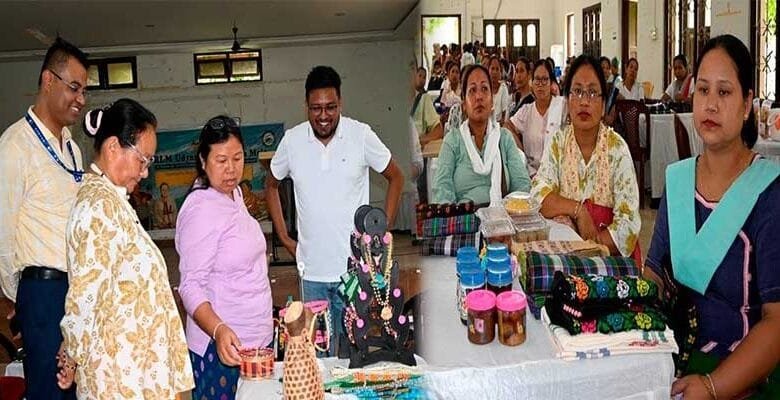
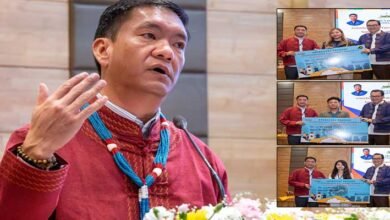
NAMSAI- In a vibrant celebration of rural innovation and women-led enterprise, the Arunachal State Rural Livelihoods Mission (ArSRLM), Namsai Block, organized the Udyami Panjikaran Mela on Thursday at Namsai Town Club. The event witnessed spirited participation from Self-Help Group (SHG) entrepreneurs, government officials, and community leaders.
The Mela was graced by Ms. Kalyani Namchoom, Additional Deputy Commissioner (HQ), who attended as the Chief Guest, and Kamal Roy, Assistant General Manager of NABARD, as the Guest of Honour. Representatives from the Departments of Textile & Handicrafts, Industries, DIPRO Namsai, and Umang MPCS were also in attendance.

A total of 128 local products were formally registered during the event by Community Resource Persons – Enterprise Promotion (CRP-EPs), marking a milestone in grassroots entrepreneurship support.
Watch Viral Video: Truck Hangs Mid‑Air Following Bridge Collapse in China
The program commenced with a welcome address by Ronald Dkhar Baghwar, Block Mission Manager, followed by a presentation from Michi Bida Buda, Block Coordinator (Non-Farm Livelihoods), who outlined the vision behind the Mela.
In her address, ADC Namchoom lauded the entrepreneurial energy of rural women, highlighting significant improvements in confidence, financial awareness, and self-reliance among SHG members. She urged entrepreneurs to adopt smart pricing strategies to ensure competitiveness in larger markets.
Also Read- Tragic Landslide in Bichom District Claims 2 Lives Amid Heavy Rains
Kamal Roy, AGM NABARD, emphasized NABARD’s continuous commitment to nurturing SHG-based enterprises and fostering sustainable business practices at the grassroots level.
The event concluded with a vote of thanks from the ArSRLM team, acknowledging all guests, participants, and the support of local departments and CRP-EPs. The Mela not only facilitated product registration but also symbolized a broader movement toward inclusive and sustainable rural development in the region.