Arunachal: Heavy Snowfall Turns Bumla Pass into Frozen Frontier
Heavy snowfall arrives early in Arunachal Pradesh’s Tawang district, covering the strategic Bumla Pass in snow and drawing tourists to the Indo-China frontier.

TAWANG: The Himalayan chill has arrived early this year, with heavy snowfall blanketing the iconic Bumla Pass in Arunachal Pradesh’s Tawang district, transforming the strategic Indo-China border outpost into a breathtaking expanse of white.
The fresh spell of snow, which began intensifying early Friday morning, coated vehicles, military outposts, and fluttering prayer flags in a thick layer of frost, marking a dramatic escalation in winter’s arrival for the high-altitude frontier located 15,200 feet (4,623 meters) above sea level.

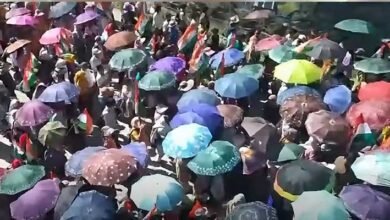
Videos circulating on social media showed soldiers and visitors braving the slippery terrain with tire chains and umbrellas as the Indian tricolor waved proudly amid fog-shrouded peaks.
Watch Video
Local BJP leader Phurpa Shering, who shared visuals from the site, described it as “heavy snowfall at Bumla Pass,” calling the view “a frozen paradise of serenity and strength.” This marks the third notable snowfall event of the 2025 season at the pass, situated about 37 km northeast of Tawang town — a region steeped in history from the 1962 Sino-Indian War.
The first flakes fell on October 5–6, dusting mountaintops and drawing early tourists to the “magical, dreamy” landscape. A viral clip from that day showed locals and visitors in traditional Monpa attire, singing and celebrating the surprise snowfall.
A second round on October 27 extended snow coverage to nearby ridges, prompting advisories for permit-holding travelers to equip vehicles with snow chains and exercise caution. By October 31, light flurries reached lower elevations, including areas near the historic Tawang Monastery.
Watch Video
Though official accumulation figures remain unreported, visuals indicate moderate snow cover — enough to turn the region into a “white winter wonderland” without significantly disrupting accessibility.
The early onset of winter, driven by a lingering western disturbance and unusual low-pressure systems, has boosted tourist interest in this remote Himalayan corner. Bumla Pass, known for its panoramic views and strategic location on the Line of Actual Control (LAC), continues to attract adventure enthusiasts despite challenging road conditions.
“It’s like the mountains are welcoming winter with open arms,” a visitor wrote in an October post that has since gone viral.
However, the snow has added new hazards. Roads from Tawang headquarters to the pass — steep, rugged, and largely unpaved — now require 4×4 SUVs with chains, and civilian movement remains strictly regulated, with army escorts mandatory for those carrying Inner Line and Protected Area Permits.
For Indian Army personnel stationed at Bumla, the season underscores their enduring resilience. Despite sub-zero temperatures dipping to -5°C overnight, officials reported no disruptions in border operations or logistics.
The India Meteorological Department (IMD) has forecast continued cold snaps through November, with isolated snow showers expected at higher altitudes, potentially adding to the snowpack.
Local authorities have urged visitors to take precautions against altitude sickness and respect safety advisories.
“Snow brings beauty, but respect the heights,” said a district tourism official, emphasizing acclimatization and preparedness.
As Tawang braces for a prolonged winter — typically peaking between December and March — the region stands poised to shine even brighter, its frost-laden peaks symbolizing both nature’s majesty and human endurance at India’s eastern frontier.