Himalayan Gender Dialogue Focuses on Inclusion, Identity and Indigenous Communities
The Himalayan Gender Dialogue in Gangtok brought together scholars, artists and community leaders from across the region to discuss gender, identity, indigenous cultures and inclusive spaces, with Arunachal Pradesh represented by AP QueerStation.
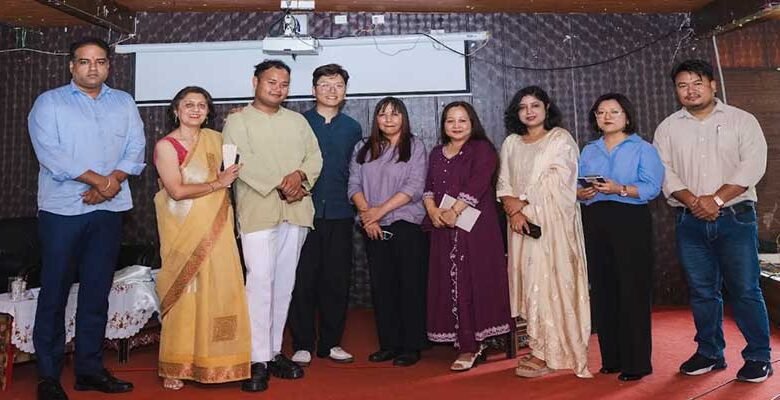
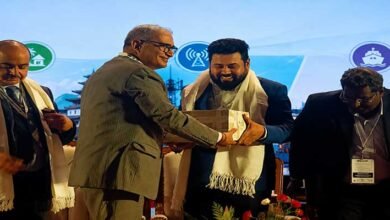
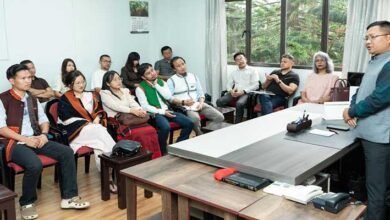
GANGTOK- Scholars, artists, researchers and community practitioners from across the Himalayan region gathered in Gangtok for the Gender Dialogues in the Himalayas: The Role of Institutions, Society and the Arts, where discussions centred on gender, identity, indigenous cultures and the role of institutions in fostering inclusive and equitable societies.
The programme was organised by the Foundation for Indian Contemporary Art (FICA), with Royal Enfield in collaboration with the Department of English, Sikkim University. Held in a hybrid format, the event brought together participants from different parts of India, creating an interdisciplinary platform to deliberate on the intersections of gender, society, culture, institutions and artistic practices in the Himalayan region.

The programme began with a welcome address by Dr. Abrona L. Aden, followed by an introduction to the Himalayan Fellowship by lead consultant Mary Therese Kurkalang, who outlined the fellowship’s objective of encouraging research and creative engagement across the region.
Also Read- Arunachali Women January Tali and Hachu Lombo Summit Mt Kun
Among the invited speakers was Sawang Wangchha, Founder of AP QueerStation, who represented Arunachal Pradesh during the dialogue. He shared the organisation’s efforts to build safer and more inclusive spaces for LGBTQIA+ communities in the State while speaking about the increasing visibility of LGBTQIA+ individuals in Arunachal Pradesh.
Wangchha also highlighted the challenges faced by many indigenous queer people, including loneliness, isolation and the lack of safe spaces. Drawing on AP QueerStation’s work in advocacy, mental health, storytelling, cultural engagement, research and public sensitisation, he emphasised the importance of developing community-led spaces rooted in dignity, dialogue, inclusion and indigenous realities.
Also Read- RIWATCH Concludes Cultural Documentation Drive in Anjaw Dist
The discussion also featured experts from Sikkim, Manipur and Bengaluru, including Avinam Manger, Prof. Rosy Chamling, Davidson Kumam and Shiva Pathak. Moderated by Lobsang Norbu, the panel examined how institutions, communities, literature, visual arts and cultural traditions shape conversations on gender and identity across the Himalayan region.
Throughout the dialogue, speakers underscored the need to strengthen conversations on gender and inclusion, support inclusive cultural spaces and ensure that the voices of diverse Himalayan communities, including indigenous and LGBTQIA+ groups, are meaningfully represented in academic, artistic and public discourse.
The programme concluded with an interactive discussion between the speakers and participants, followed by a vote of thanks delivered by Dr. Saswati Saha, Assistant Professor, Department of English, Sikkim University. AP QueerStation also expressed gratitude to the organisers for providing a platform that encouraged meaningful dialogue on gender, identity and inclusion across the Himalayan region.