Pema Khandu Announces Biennial Indigenous Faith Youth Festival, Next Edition in 2028
Addressing the 8th Indigenous Faith Youth Festival in Seppa, Chief Minister Pema Khandu announced major initiatives for cultural preservation, tourism promotion and the development of East Kameng.
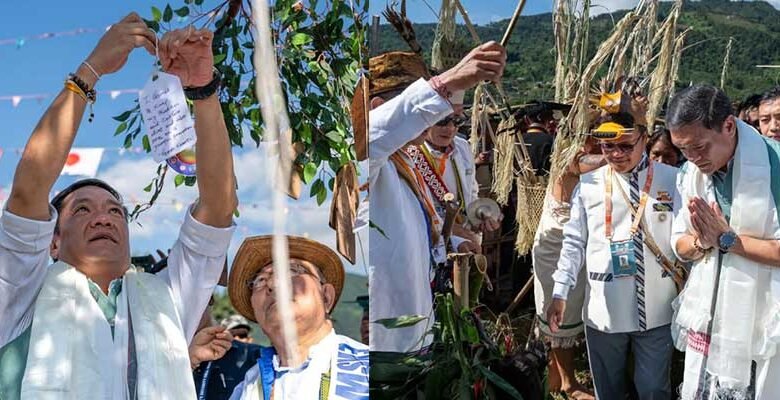
SEPPA- Arunachal Pradesh Chief Minister Pema Khandu on Wednesday announced that the Indigenous Faith Youth Festival will now be organised every two years instead of once in three years, with the next edition scheduled for 2028.
The Chief Minister also announced the revival of the Kameng River Festival from this year, with financial support from the State Government, in a move aimed at promoting the tourism potential and cultural heritage of East Kameng district.

Khandu made the announcements while addressing the inaugural function of the 8th Indigenous Faith Youth Festival at Seppa, organised by the Indigenous Faith and Cultural Society of Arunachal Pradesh (IFCSAP). More than 1,000 delegates from across the State are participating in the festival.
Also Read- Massive Fire Guts Around 25 Houses in Parsi-Parlo; Mother and Three Children Reportedly Missing
Highlighting the Government’s commitment to preserving indigenous faith, traditions and cultural identity, Khandu said the Department of Indigenous Affairs, established in 2016-17, would be further strengthened. He assured that its budget allocation would be enhanced in the forthcoming Revised Estimates to expand programmes and reach more young people.
The Chief Minister also assured early consideration of the gap funding sought by IFCSAP through a memorandum submitted to his office on November 6, citing the larger-than-anticipated participation at this year’s festival.
Kameng River Festival to Return
Announcing the revival of the Kameng River Festival, Khandu said the State Government would make a funding provision through the Tourism Department in the current year’s allocation.
Responding to a request by the East Kameng Social Welfare and Cultural Organization (EKSWCO), he said the festival could help bring East Kameng’s natural beauty, cultural traditions and tourism potential onto the wider tourism map.
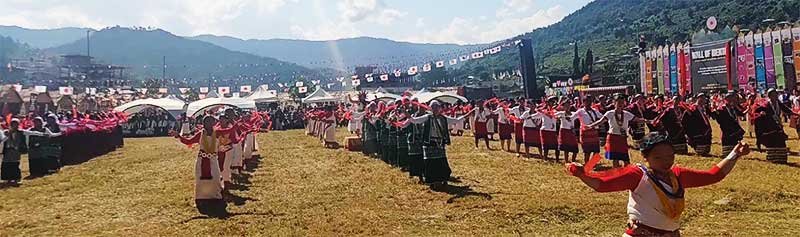
Encouraging the organisers to proceed with their proposed January schedule, Khandu assured continued government support for the festival in the coming years.
He also highlighted opportunities for adventure and cultural tourism in East Kameng, including river rafting and paragliding. The Chief Minister stressed the need for greater tourism awareness and hospitality training among local communities, saying that the success of a tourist destination depended not only on natural attractions but also on the experience and hospitality provided to visitors.
Focus on Indigenous Culture and Institutions
Khandu said that six Gurukuls are currently functioning in Arunachal Pradesh and assured continued government support for such institutions. He said improvements would be made to basic infrastructure, including roads, water and electricity.
Specifically, he directed that the road leading to the Gurukul at Lada be taken up during the current financial year.
Also Read- Tajong Talom Detained Again Minutes After Release from Pasighat Jail
The Chief Minister also said the Council constituted under the Department of Indigenous Affairs would be made more effective through regular meetings and greater empowerment. He emphasised the importance of consultation with IFCSAP while identifying and prioritising projects related to indigenous faith communities.
Khandu stressed that development and technological progress should not come at the cost of cultural identity. He urged young people to remain connected to their languages, customs, faiths and traditions while embracing modern development.
Describing Arunachal Pradesh as a “living heritage,” the Chief Minister said the State’s cultural diversity was among its greatest strengths. He encouraged the younger generation to learn about the different indigenous belief systems and traditions practiced across the State.
Preservation with Mutual Respect
Emphasising peaceful coexistence, Khandu said Arunachal Pradesh was home to people following different religions and faiths and that every individual had the freedom to follow the religion of their choice.
He said the preservation of indigenous faith must go hand in hand with respect for other religions. The Chief Minister also cautioned against the misuse of social media and technology to create misunderstandings and called for dialogue, maturity and mutual respect in addressing community issues.
Also Read- Indefinite Economic Blockade by ANSU and ANYA Begins at Bhalukpong and Nechiphu
Khandu further said that preserving indigenous faith could not depend on legislation alone and required personal commitment from individuals and communities. He encouraged community organisations and faith leaders to undertake discussions and research-based initiatives to strengthen their respective traditions.
Referring to research and documentation efforts, the Chief Minister highlighted the work of the RIWATCH Institute in documenting the traditions of the Mishmi community. He also said discussions were underway regarding a proposal to establish an international tribal learning centre or university in Arunachal Pradesh, expressing hope that the proposal could be brought before the Assembly next year.
Rs 340 Crore Projects for East Kameng
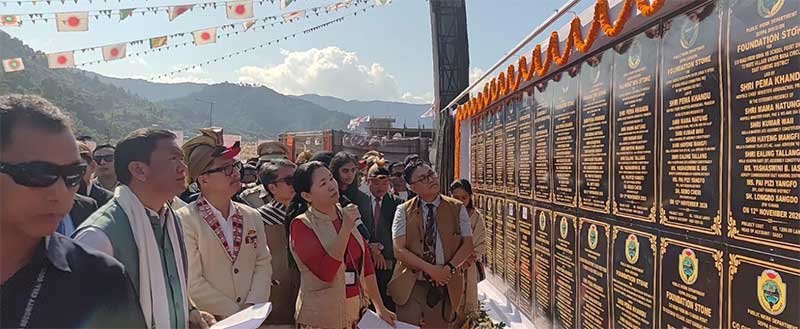
On development in East Kameng, Khandu said that 30 projects with a combined estimated cost of Rs 340 crore had been dedicated to the people through foundation stone laying and inauguration ceremonies.
He also appreciated EKSWCO for raising local development issues and undertaking social audits of projects in the district. Encouraging other community-based organisations to adopt similar practices, he said such initiatives could promote transparency, accountability and quality in the implementation of public projects.
The Chief Minister expressed hope that the Indigenous Faith Youth Festival would provide participating youth with a deeper understanding of indigenous games, traditions, faiths and the diverse ways of life practiced by communities across Arunachal Pradesh.