Arunachal: NABARD-Supported Rural Haat Inaugurated in Ngoleko Village, Pakke Kessang Dist
The Rural Haat is envisioned as a dedicated marketplace where women-led SHGs and rural producers can sell agricultural products, handlooms, and handicrafts.

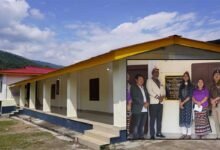
PAKKE KESSANG- In a major step towards rural empowerment and market linkage, a NABARD-supported Rural Haat was inaugurated today in Ngoleko Village under Pakke Kessang district, Arunachal Pradesh.
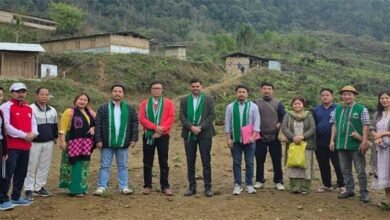
The launch was jointly carried out by Cabinet Minister Biyuram Waghe and Damodar Mishra, in the presence of Deputy Commissioner Bani Lego, Talung Taloh (DDM, NABARD), heads of line departments, SRLM staff, local leaders, and enthusiastic community members.

Also Read- KVK Anjaw Trains Tribal Women in King Chilli Pickle Making to Boost Rural Livelihoods
The Rural Haat is envisioned as a dedicated marketplace where women-led SHGs and rural producers can sell agricultural products, handlooms, and handicrafts. The facility includes a storage room, office space, clean drinking water, sanitation amenities, and a local eatery for tourists—serving both as an economic hub and a showcase of Ngoleko’s cultural vibrancy.
Addressing the gathering, Minister Biyuram Waghe praised NABARD’s efforts in promoting rural livelihoods and urged PLF members to utilize the Haat to its fullest potential. Highlighting ongoing development efforts in the district, he emphasized the need for government–industry collaboration to ensure inclusive growth and long-term prosperity.
Also Read- Organic Farming Boosted in Tawang’s Border Villages
General Manager of NABARD, in his speech, reiterated the organization’s commitment to sustainable development, financial inclusion, and rural marketing. He called the Rural Haat a practical symbol of NABARD’s partnership with local farmers and artisans.
Deputy Commissioner Bani Lego encouraged the villagers to uphold hygiene and civic responsibility, while also working collectively to improve rural infrastructure and peace in the region.
With the opening of this Rural Haat, Ngoleko village steps closer to becoming a model for self-reliant rural economies, driven by community participation, women’s entrepreneurship, and culturally rooted enterprise.