Arunachal: Stakeholders Discuss Zoonotic Risks in Eastern Himalaya
A stakeholder and capacity-building workshop on Integrated Disease Surveillance was held in Tawang, focusing on zoonotic risks and inter-sectoral coordination under the One Health framework.
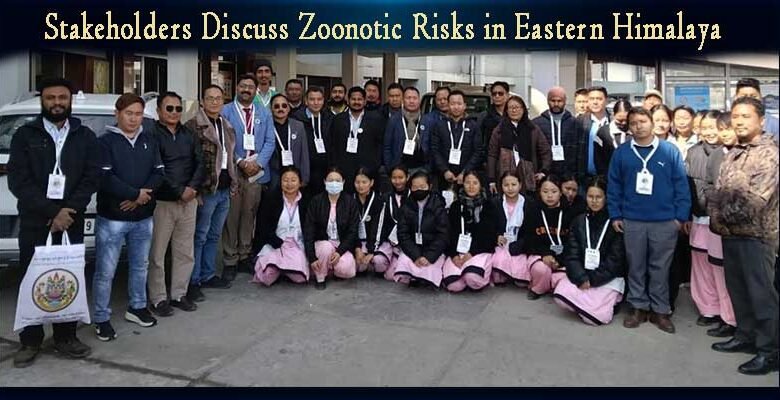
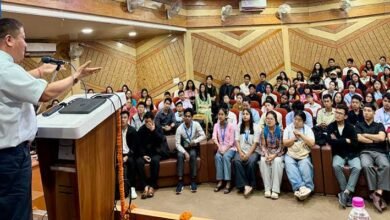
TAWANG- A stakeholders -cum-capacity building workshop on Integrated Disease Surveillance was conducted at the auditorium of Khando Drowa Sangmo District Hospital in Tawang district, bringing together multiple departments and institutions to strengthen preparedness against zoonotic and emerging infectious diseases.
The workshop was organised by the Zoological Survey of India (ZSI) under a project funded by the National Mission on Himalayan Studies (NMHS), titled “Protecting Himalayan Health: Landscape-Based Disease Surveillance in Wildlife and Exploring Zoonotic Hotspots through One Health Approach.”

The programme saw participation from officials of the Health Department, Animal Husbandry and Veterinary Services, Forest Department, District Administration, and research institutions. Discussions focused on the need for inter-sectoral coordination under the One Health framework to address disease risks in the ecologically sensitive Eastern Himalayan region.
Also Read- Seva Aapke Dwar 2.0 Camp Held at Bongkhar
The workshop was coordinated by Mukesh Thakur, Scientist-D, ZSI, who outlined the objectives of the NMHS-funded project. He stressed the importance of integrating human health, livestock health, wildlife surveillance, and environmental data to create early warning systems and enable rapid response to disease outbreaks.
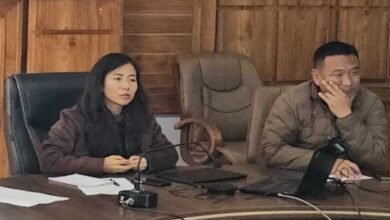
The inaugural session included remarks by Tenzin Kunga, Medical Superintendent, District Hospital Tawang. Special guests included Avang Tamin, District Veterinary Officer; Piyush Gaikwad, Divisional Forest Officer, Tawang Forest Division; Rinchin Neema, District Reproductive and Child Health Officer; and Rinchin Leta, Additional Deputy Commissioner, Tawang.
Also Read- Weavers Informed About RMSS Benefits in Namsai
Addressing the gathering as chief guest, Rinchin Leta said border districts like Tawang face unique public health and ecological challenges due to changing human, livestock, and wildlife interactions. He described the workshop as timely and relevant in strengthening preparedness against emerging zoonotic threats.
Technical sessions during the workshop focused on the One Health Mission, regional surveillance challenges, veterinary and public health perspectives, and the development of standardised tools for integrated data sharing. Interactive discussions enabled participants to exchange field-level experiences and identify strategies for strengthening district-level and transboundary surveillance networks.
Also Read- Full-Scale Earthquake Mock Drill on Feb 9
Highlighting the importance of collaboration, Mukesh Thakur said the active participation of district authorities and line departments reflected a strong commitment to translating scientific frameworks into effective ground-level action.
The workshop concluded with discussions on sustaining inter-departmental collaboration, building local capacity, and institutionalising One Health–based surveillance mechanisms. Certificates were distributed to participants at the closing session. Organisers said the initiative marks a significant step towards strengthening science-driven disease surveillance in Arunachal Pradesh.