Somnath Swabhiman Parv Celebrated Across Arunachal
District administrations, cultural bodies, and devotees across Arunachal Pradesh organised Somnath Swabhiman Parv with religious ceremonies, cultural programmes, and live telecasts commemorating the 75th anniversary of the Somnath Temple’s reconstruction.
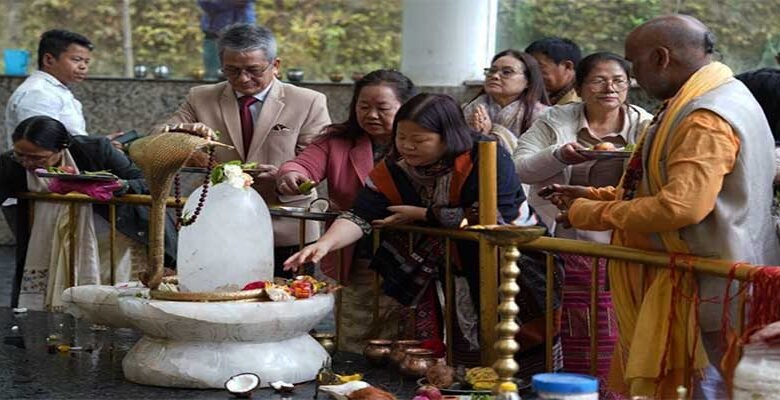
ITANAGAR- Somnath Swabhiman Parv, commemorating the 75th anniversary of the reconstruction and consecration of the historic Somnath Temple in Gujarat, was observed across several districts of Arunachal Pradesh on Monday with religious rituals, cultural performances, and public participation.
Programmes were organised in districts including Lower Subansiri, East Siang, Lohit, and West Kameng under the initiative of district administrations, the Department of Art & Culture, temple committees, and local communities. The celebrations highlighted themes of cultural heritage, faith, national unity, and preservation of traditions.

Cultural Celebration at Ziro
At Kardo in Ziro, the event was held at the Shree Siddheshwar Nath Shiva Lingam site and was organised by the District Administration in collaboration with the Department of Art & Culture under the aegis of the Ministry of Culture, Government of India.
Women and Child Development and Cultural Affairs Minister Dasanglu Pul attended the programme as the chief guest, while Chief Information Commissioner Jarken Gamlin and ZPC Hibu Dumi joined as guests. The programme featured devotional performances including Ganesh Shlok, Saraswati Vandana, Shiv Bandish, and a Shiv Tandav dance recital. Spiritual discourse sessions and a visual exhibition curated by the Ministry of Culture were also organised.
Addressing the gathering, Dasanglu Pul stressed the importance of preserving cultural identity and heritage while embracing development and innovation. Referring to the Somnath Temple’s historical significance, she described it as a symbol of resilience and continuity of Sanatan culture despite repeated invasions over centuries.
Devotional Gathering in Pasighat
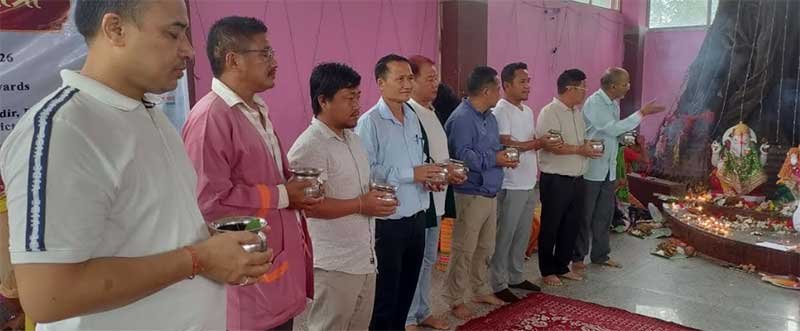
In East Siang district, the Somnath Swabhiman Parv was celebrated at Dangoria Baba Shiv Mandir in Pasighat through a programme organised jointly by the Department of Art & Culture and the Dangoria Baba Mandir Committee.
The event began with a Kalash Yatra involving more than 100 devotees and Shaivites from East Siang, neighbouring districts, and parts of Assam. Participants carried holy water from the Siang River to the temple premises, where offerings were made to the Shiva Lingam amid devotional chants and prayers.
The programme also included a live telecast of Prime Minister Narendra Modi’s address from the Somnath Temple in Gujarat as part of the nationwide observance. Pasighat Municipal Council Chief Councillor Tagom Padung attended the programme as the chief guest along with district officials, organisers, and religious leaders.
Religious Ceremonies in Tezu
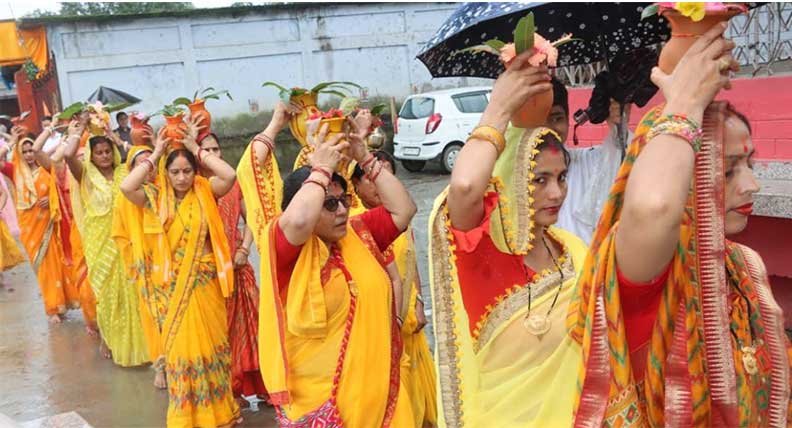
In Tezu, Lohit district administration organised celebrations at Shiv Mandir with religious rituals including a Kalash Yatra, Vedic chanting, bhajans, and milk offerings to Lord Shiva. Devotees, officials, and community leaders participated in the programme.
Bazaar Secretary Picaso Chai, who attended as chief guest, highlighted the importance of preserving India’s spiritual heritage and cultural memory. SDO Sotailum Bellai spoke on the historical relevance of the Somnath Temple, describing it as a symbol of faith, resilience, and national unity.
Officials also noted that the observance coincided with two milestones — 1,000 years since the first major recorded invasion of the Somnath Temple and 75 years since its reconstruction after Independence under the leadership of Sardar Vallabhbhai Patel.
Celebration in West Kameng
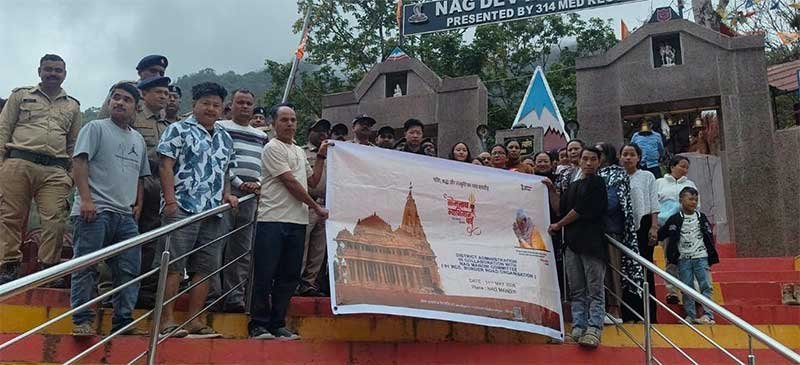
In Singchung, West Kameng district, the 75th anniversary celebration was organised at Nag Mandir through a collaborative effort involving the district administration, BRO 91 RCC, Nag Mandir Bazar Committee, and local devotees.
The programme included prayer ceremonies, traditional offerings, the National Anthem, and public interactions among officials, armed forces personnel, and worshippers. Organisers described the event as an example of cooperation between the administration, civil society, and security forces in preserving cultural traditions and promoting social harmony in the border district.
Across the state, the observance of Somnath Swabhiman Parv reflected a broader emphasis on cultural continuity, religious harmony, and community participation. The programmes also sought to connect younger generations with historical and spiritual traditions associated with the Somnath Temple and India’s civilisational heritage.