Arunachal: NCC’s Vibrant Village drive reaches Meche Marde
NCC cadets from 1 AP Battalion engage with locals in Meche Marde, promoting cultural awareness, cleanliness, and community development.
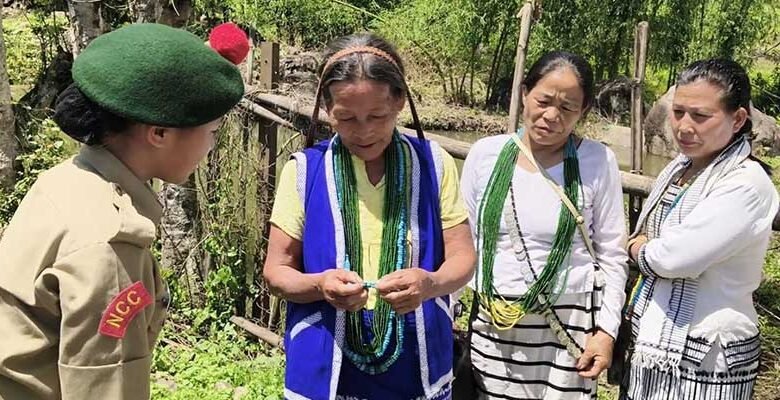
MECHE MARDE VILLAGE ( Upper Subansiri ) : The ‘Vibrant Village’ initiative undertaken by cadets of the 1 AP Battalion of the National Cadet Corps has brought focus to community engagement and cultural preservation in Meche Marde village of Upper Subansiri district.
Conducted under the leadership of the Commanding Officer and supported by Associate NCC Officer Tado Rebi along with PI staff, the programme aimed to strengthen rural outreach while encouraging youth participation in nation-building activities.

Meche Marde, located in a remote and ecologically rich part of Arunachal Pradesh, shares its boundaries with Aya Marde and Digbak villages and lies close to Dumporijo township. The region is characterised by lush greenery, rolling hills, and a diverse natural landscape, offering insights into the state’s ecological richness.
Also Read- Drone Demo Held at KV Tuting on Op Sindoor Anniversary
During their visit, cadets interacted closely with village residents and elders, gaining an understanding of the local way of life. The inhabitants of Meche Marde belong to the Tagin tribe, a prominent indigenous community within the larger Tani ethnolinguistic group. The Topo clan, as explained by community members, continues to play a key role in preserving traditional social structures.
The villagers follow Donyi-Poloism, an indigenous belief system that reveres the Sun and Moon as divine forces. Cultural practices rooted in nature and ancestral traditions continue to shape daily life in the village.
Also Read- NCC Cadets Visit Belo Under Vibrant Village Programme
Village representatives highlighted the importance of the Si-Donyi festival, a central cultural event symbolising prosperity, harmony and collective well-being. The festival features traditional rituals, songs, dances and communal feasts, reflecting the continuity of indigenous traditions.
Cadets also learned about local dietary practices, which include rice, vegetables, smoked meat and fermented bamboo shoots—an indication of the community’s close relationship with its natural environment. The local dialect, part of the Tani linguistic group, remains an important medium for cultural transmission.
Also Read- Teen Swept Away in Yomgo River, Search On
As part of the initiative, NCC cadets conducted activities focused on cleanliness drives, awareness campaigns and cultural exchange. These engagements provided an opportunity for mutual learning, while reinforcing the role of youth in bridging communities and preserving cultural heritage.
The programme reflects a broader effort to integrate developmental outreach with cultural sensitivity in remote regions. It also highlights how structured youth initiatives can contribute to rural development while fostering respect for indigenous identities.