Arunachal: JNC Hosts Panel Discussion on Human-Wildlife Conflict
Experts, students, and conservationists deliberate on human-wildlife conflict and coexistence at Jawaharlal Nehru College, Pasighat.
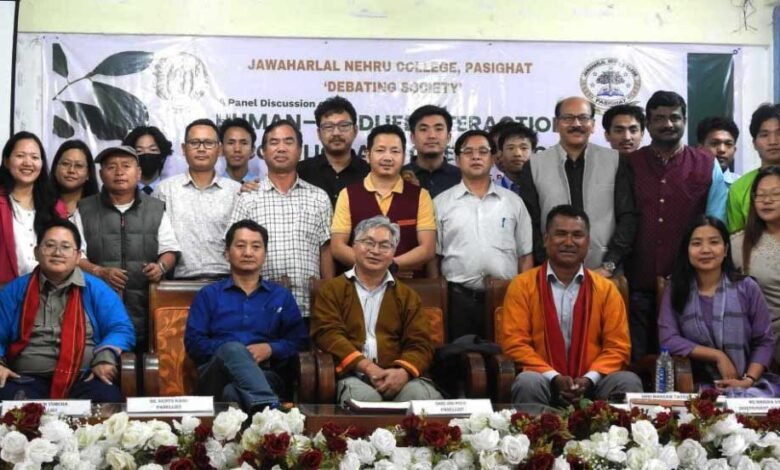
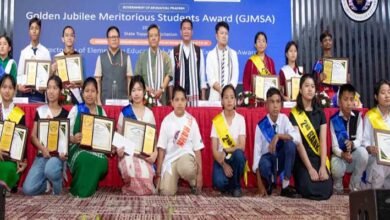
PASIGHAT- Jawaharlal Nehru College (JNC), Pasighat, hosted a panel discussion on “Human-Wildlife Interactions: Conflict and Coexistence” on March 27, bringing together conservation experts, academicians, and students to deliberate on the challenges and possible solutions to increasing human-animal interactions in the region.
The programme was organised by the college’s Debating Society under the leadership of Dr. Gindu Borang, who guided the discussion through a series of structured question-and-answer sessions. The event was coordinated by Dr. Kaling Darung, with Dr. Apilang Apum serving as co-coordinator, and was supported by the Internal Quality Assurance Cell (IQAC) and the Research and Development (R&D) Cell.

The session was moderated by Marina Dai, an independent journalist, who facilitated discussions aimed at encouraging critical engagement among participants.
Also Read- Fire Guts Two Houses in Tirap
Maksam Tayeng, Honorary Wildlife Warden and Chairman of the Eco-Development Committee of Daying Ering Memorial Wildlife Sanctuary, highlighted habitat destruction and hunting as key drivers of human-wildlife conflict. Drawing on his field experience, he suggested that sustainable resource use and the protection of natural habitats are essential for long-term coexistence.
Jibi Pulu, an indigenous conservation practitioner associated with the Elopa Etugu Community Eco-Cultural Preserve, emphasised the importance of community-led conservation. He argued that local communities, being primary stakeholders in land ownership, must play a central role in policy formulation and implementation.
Also Read- Sai Seva Sangathan Plans Health Upgrade in Ziro
Dr. Kento Kadu, Associate Professor and Head of the Department of Zoology at JNC, pointed out that rural communities, particularly farmers, are most affected by such conflicts. He called for a shift from reactive compensation measures to proactive and sustainable policy interventions.
Adding a conservation policy perspective, Dr. Tajum Yomcha, Research Officer in the Office of the PCCF (Wildlife & Biodiversity), suggested reframing the discourse from “conflict” to “interaction,” advocating for a balanced approach that recognises the ecological importance of wildlife.
The event concluded with an interactive session in which students and faculty members engaged with the panelists, reflecting growing academic interest in environmental sustainability and conservation challenges in the Northeast.