Anti-SUMP Activists Ebo Mili and Otul Jerang Granted Bail in Pasighat Violence Case
The East Siang District and Sessions Court grants bail to the two activists arrested following the October 23 violence during protests against the proposed 11,000 MW Siang Upper Multipurpose Project; cases related to the unrest remain ongoing.

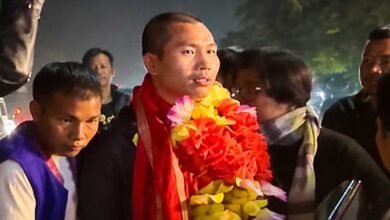
PASIGHAT: In a significant development in the ongoing controversy surrounding the proposed Siang Upper Multipurpose Project (SUMP), lawyer-activist and environmental rights defender Ebo Mili and anti-dam activist Otul Jerang have been granted bail by the East Siang District and Sessions Court in connection with the October 23 violence in Pasighat.
The two activists had been in custody since around October 24, following their voluntary surrender at the Pasighat Police Station after the unrest. Their bail comes after weeks of protests, demands for the release of detainees and sustained pressure from student bodies, community organisations and groups opposing the proposed hydropower project.

Mili and Jerang were among several people arrested following the October 23 incidents. Police had registered multiple First Information Reports (FIRs) in connection with allegations of unlawful assembly, rioting, obstruction of public servants, criminal conspiracy and damage to public property under relevant provisions of the Bharatiya Nyaya Sanhita (BNS) and the Prevention of Damage to Public Property Act.
The October 23 violence took place during a 12-hour bandh called by organisations opposing the proposed 11,000 MW Siang Upper Multipurpose Project on the Siang River. The unrest spread across parts of Siang, Upper Siang and East Siang districts.
During the incidents, several government establishments, including an NHPC office and a police station, along with private properties, were allegedly targeted. The administration subsequently strengthened security arrangements in the region.
Activists Denied Involvement in Violence
Following their surrender, Mili and Jerang maintained that they had cooperated with the authorities and distanced themselves from the violence and vandalism.
They maintained that the agitation against the proposed dam was intended to remain peaceful. Mili alleged that police action had triggered panic during the protests and claimed that he had appealed for restraint before withdrawing from the situation. He also said he later attempted to stop arson at a police station.
Also Read- Amit Shah Assures Dialogue on Siang Dam, Says Project Will Proceed Only with Local Trust
Both activists reportedly began a hunger strike while in custody, alleging false implication in the cases. However, East Siang Superintendent of Police Pankaj Lamba disputed the description of their protest as a complete hunger strike, stating that they had taken breakfast.
Mili’s family had also expressed concerns about his health, citing his diabetes and other medical conditions.
Organisations spearheading the anti-SUMP movement rejected police allegations regarding the activists’ involvement in the violence.
Bail Follows Sustained Demands for Release
The release of Mili and Jerang on bail comes amid sustained demands by student bodies, the Siang Indigenous Farmers Forum (SIFF), ABKU, local youth organisations and other groups opposing the proposed project.
Several other arrested individuals, including some students and activist Tajong Talom, had secured release in preceding weeks, although the number of people remaining in judicial custody had continued to be a concern for protest organisations.
The legal proceedings connected with the October 23 incidents are continuing.
Also Read- Tapir Gao Says, Siang Dam ‘Will Be Built, Come What May’ Amid Protests
Opposition to SUMP Remains a Major Concern
The controversy surrounding the proposed Siang Upper Multipurpose Project has developed into a major public issue in Arunachal Pradesh, particularly among sections of the indigenous Adi community.
Opponents have raised concerns over possible large-scale displacement, submergence of ancestral lands, environmental degradation and the potential impact on the region’s indigenous communities and traditional way of life.
The project, proposed on the Siang River by NHPC, has also been discussed in the context of upstream hydropower developments and strategic considerations.
Chief Minister Pema Khandu has repeatedly maintained that the government is currently undertaking only a pre-feasibility study and that the project will not be implemented without the consent of the affected people.
Union Home Minister Amit Shah, during his recent visit to Arunachal Pradesh, also assured that the concerns of affected communities would be addressed through constructive dialogue. He promised a comprehensive rehabilitation and resettlement package.
The bail granted to Mili and Jerang marks an important development in the legal proceedings arising from the October 23 unrest. However, it does not bring an end to the broader debate over the proposed Siang project, with questions surrounding environmental protection, indigenous rights, rehabilitation and public consent continuing to shape the movement.